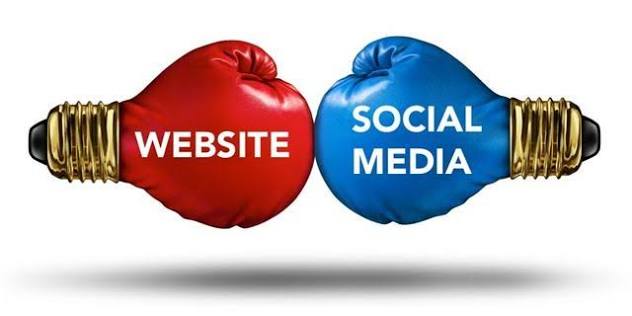
Typing a business description into an AI website builder and getting a finished-looking site back in minutes feels like magic. It's genuinely useful for some situations. It's genuinely the wrong choice for others. The trouble is that the marketing around these tools rarely mentions the difference, so business owners end up comparing price tags instead of comparing what they're actually going to get.
What an AI website builder actually does well
These tools are built for speed and simplicity, and to their credit, they deliver on both. Describe your business, pick a style, and within minutes you have a structured site with pages, some starter copy and a template layout. For a very early-stage business — a sole trader testing an idea, or someone who needs a placeholder site before an event next week — that speed has real value.
They also lower the barrier to entry. You don't need any technical knowledge, and the cost is usually a low monthly subscription rather than an upfront project fee. For a hobby project or a very simple one-page presence, that can be entirely sufficient.
Where AI builders start to fall short
The same qualities that make these tools fast also make them generic. The AI is drawing from patterns common across thousands of similar businesses, which means your site often ends up structurally similar to your competitors', with copy that reads as competent but generic rather than specific to you. It doesn't know your actual customers, your local market, or what genuinely makes your business different — and that's exactly the material a strong website needs to convert visitors.
Common limitations business owners run into:
- Generic, templated copy that needs substantial editing to sound like a real business rather than a placeholder.
- Limited customisation once you're past the basic layout options.
- No strategic input on what your specific customers need to see to convert.
- SEO and technical setup left to you, or handled generically rather than for your market.
- No one to call when something doesn't work as expected, beyond a support chatbot.
What a professional agency actually adds
A good agency isn't selling you a nicer-looking template — they're selling judgement. That means understanding what a Wodonga plumber's customers need to see before calling, structuring a site around how a Sunshine Coast dental clinic's patients actually book appointments, and writing copy that speaks to your specific customers rather than a generic audience.
An agency also brings technical groundwork that's easy to miss until it matters: proper site speed, security, accessibility, structured SEO foundations, and a build that can grow as your business does. This is where why your business needs a professional website is worth reading in full — the case for professional input isn't about vanity, it's about outcomes.
Comparing the two directly
| Factor | AI Website Builder | Professional Agency |
|---|---|---|
| Speed to launch | Minutes to hours | Typically several weeks |
| Upfront cost | Low, subscription-based | Higher, project-based |
| Customisation | Limited to template options | Built around your business and customers |
| Copywriting | Generic, AI-generated | Written for your actual customers |
| Strategy and planning | None | Included — structure, goals, conversion focus |
| SEO foundations | Basic or generic | Set up deliberately for your market |
| Ongoing support | Self-service or chatbot | A person you can actually call |
| Best suited to | Very simple sites, early testing | Businesses relying on the site for enquiries and sales |
The real question isn't price — it's what the site needs to do
If your website is genuinely just a placeholder while you validate an idea, an AI builder is a sensible, low-risk starting point. But if your website is meant to generate enquiries, build trust with new customers, or support paid advertising, the gap between "a site exists" and "a site converts" is where an agency earns its fee.
This is the same trap covered in why cheap websites cost more — the cheapest, fastest option isn't cheap at all if it fails to bring in customers. A generic AI-built site that converts poorly can end up costing far more in lost enquiries than the difference in upfront price ever saved.
A middle path: use AI as a starting point, not the finish line
Some businesses use an AI builder to sketch out ideas — rough structure, a first pass at copy — and then bring in a professional to refine, customise and properly build it out. That can work, provided you treat the AI output as a rough draft rather than a finished product. The strategy, the customer-specific copy and the technical foundation still need real expertise layered on top.
Signs it's time to move beyond a DIY builder
- Your site isn't generating the enquiries you expected, and you're not sure why.
- You're about to spend money on Google Ads or SEO and want the landing pages to actually convert.
- Customers or staff have mentioned the site "looks a bit basic" or is hard to use.
- You're spending more time fighting the builder's limitations than running your business.
- Your competitors' sites look and feel noticeably more professional than yours.
If any of these sound familiar, it's worth working through website checklist before running Google Ads before spending on traffic your current site might not convert.
Key Takeaways
- AI website builders are fast, cheap and fine for simple, early-stage or placeholder sites.
- They fall short on customisation, strategy and copy that's actually written for your customers.
- A professional agency adds judgement, technical foundations and ongoing support that generic tools can't.
- The right choice depends on what the site needs to achieve, not just the price difference.
Frequently Asked Questions
Is an AI website builder good enough for a small business?
It depends on what the site needs to do. For a very simple presence or an early-stage test, it can be enough. If the site needs to reliably generate enquiries or support paid advertising, the generic structure and copy typically hold it back from converting as well as a purpose-built site would.
What's the biggest downside of AI-generated website copy?
It reads as generic because it's drawing from broad patterns rather than your specific business and customers. Visitors can often sense when copy doesn't quite fit the business it's describing, which undermines the trust you're trying to build.
Can I switch from an AI builder to a professional agency later?
Yes, and many businesses do exactly that once they've validated their idea and are ready to invest in growth. The AI-built site can serve as a rough starting reference, though most of the structure, copy and technical setup will typically be rebuilt properly rather than reused as-is.
Are AI website builders cheaper in the long run?
Not necessarily. The subscription cost is lower, but if the site converts poorly, the cost in lost enquiries and sales can outweigh the savings. A website's real cost includes what it fails to earn you, not just what you pay for it.
Do AI website builders handle SEO properly?
Most offer basic SEO settings, but they don't understand your specific market, competitors or the terms your actual customers search for. Proper SEO foundations usually need deliberate setup around your business, not a generic default.
Will a professional agency use AI tools too?
Many agencies use AI tools as part of their process for research or drafting, but the strategy, customisation and final judgement should come from people who understand your business and customers. The value isn't in avoiding AI entirely, it's in not relying on it as the whole solution.
How do I know if my current AI-built website is holding my business back?
Signs include low enquiry numbers despite reasonable traffic, feedback that the site looks generic or basic, and struggling to make changes as your business grows. If several of these apply, it's worth a proper review.
Is it worth paying more for a professional agency if my budget is tight?
If your website is central to how customers find and contact you, it's usually worth prioritising over other spending, because a converting website pays for itself. If the budget genuinely isn't there yet, a simple builder as a temporary step is reasonable — just plan to revisit it once the business can support the investment.
Get a website built around your business, not a template
Whichever path you're considering, it helps to talk it through with someone who isn't selling you a subscription. If you'd like an honest read on whether your business needs a professional build, have a chat with Pixel and Pine.