Most small businesses respond to a quiet month by spending more on ads to get more traffic. It's often the wrong move. If your website only turns two visitors in a hundred into an enquiry, doubling your traffic just doubles how many people leave without acting. Conversion rate optimisation — improving the percentage of visitors who take the action you want — is usually the cheaper, faster win hiding in plain sight.
What conversion rate optimisation actually means
Conversion rate optimisation, often shortened to CRO, is the ongoing process of improving your website so more of your existing visitors do what you want them to do — fill in a form, call you, book a job, or buy a product. It's not a redesign and it's not a one-off task. It's a cycle: look at how people actually use your site, form a hypothesis about what's stopping them, change one thing, and measure whether it helped.
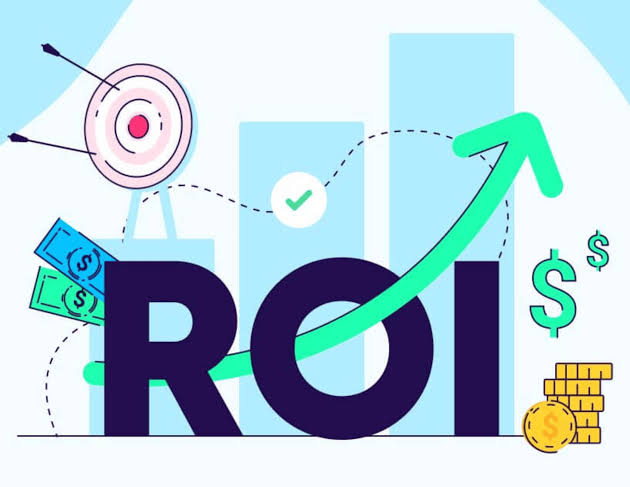
The maths behind why it matters is simple. If your site gets 1,000 visitors a month and converts 2%, that's 20 enquiries. Lift that to 4% with no extra traffic and no extra ad spend, and you've doubled your enquiries. That's the appeal of CRO — you're getting more value out of traffic you've already paid for or earned.
Where to start: know your current numbers
You can't improve a number you're not measuring. Before changing anything, get clarity on:
- Overall conversion rate — what percentage of visitors take your desired action.
- Conversion rate by traffic source — Google Ads visitors often behave differently to organic visitors or social traffic.
- Conversion rate by device — mobile and desktop visitors frequently convert at different rates, and the gap itself is a clue.
- Where people drop off — on a form, a pricing page, a checkout step, or before they even scroll past the header.
Tools like Google Analytics and simple heatmap or session-recording tools give you this picture. Without it, you're optimising by guesswork.
The elements that most affect conversion
Headlines and above-the-fold content
Visitors decide within seconds whether to keep reading. Your headline and the content visible without scrolling need to answer "what is this, and is it for me?" instantly. A vague, clever headline loses people a generic one would have kept.
Calls to action
A visitor who's ready to act needs an obvious, unambiguous next step. Weak, buried or overly clever CTAs are one of the most common — and cheapest to fix — leaks in a website's funnel. Our CTA best practices guide covers this in detail.
Forms
Every additional field on a form reduces how many people finish it. A Cairns landscaping business that trimmed its quote form from twelve fields to five often sees more completed enquiries, even though each one has slightly less detail — because more people actually finish it. Ask only what you genuinely need before the first conversation.
Trust signals
People convert when the perceived risk of contacting you feels low. Reviews, real photos, accreditations, and clear pricing or process information all lower that risk. See our guide on website trust signals for what actually moves the needle here.
Page speed
A slow page loses visitors before they even see your offer. This is one of the few conversion factors that's almost universally true regardless of industry — nobody waits around for a page that stalls.
A practical CRO process
- Identify your highest-traffic, highest-intent pages — usually your homepage, a key service page, or your contact/quote page.
- Watch how people actually use them — session recordings and scroll-depth data reveal where attention and patience run out.
- Form one hypothesis at a time — "moving the phone number into the header will increase calls" is testable; "make the site better" is not.
- Change one meaningful thing, then measure — resist changing five things at once, or you won't know which change mattered.
- Give it time before judging — a week of data on a low-traffic site tells you very little; be patient enough to gather a real sample.
- Keep what works, discard what doesn't, repeat.
Common CRO mistakes
- Testing too many things at once, so you can't tell what actually caused a change.
- Chasing traffic instead of conversion when the traffic you already have isn't converting well.
- Ignoring mobile, when most visitors to most Australian small business sites now browse on a phone.
- Adding friction "just in case" — extra form fields, extra steps, extra pop-ups — without weighing the cost against the benefit.
- Giving up too early — meaningful conversion gains usually come from a series of small improvements, not one silver bullet.
Where CRO and landing pages intersect
If a chunk of your traffic comes from Google Ads, your landing pages deserve particular attention, since every visitor there cost you money to acquire. Common landing page issues — a mismatch between the ad and the page, a cluttered layout, no single clear action — are covered in our landing page mistakes guide, and they're often the fastest CRO wins available because the traffic is already paid for.
Key Takeaways
- More traffic isn't the fix for a low conversion rate — improving the site itself usually is, and it's cheaper.
- Measure before you change anything: know your baseline conversion rate by source and device.
- CTAs, forms, trust signals and page speed are the highest-leverage places to start.
- Change one thing at a time and give it enough time to produce meaningful data.
Frequently Asked Questions
What is a good conversion rate for a small business website?
It varies significantly by industry, traffic source and what you're asking visitors to do, so there's no universal benchmark worth chasing. The more useful measure is your own trend over time — is your conversion rate improving as you make changes, regardless of what number you started from?
How is conversion rate optimisation different from SEO?
SEO is about attracting more of the right visitors to your site through organic search. Conversion rate optimisation is about turning more of the visitors you already have into enquiries or customers. They work best together — more visitors and a better conversion rate compound each other.
Do I need special software for CRO?
Not necessarily. Google Analytics, along with a basic heatmap or session-recording tool, gives most small businesses enough insight to start. The bigger requirement is a willingness to actually look at the data regularly and act on it.
How long does conversion rate optimisation take to show results?
It depends on your traffic volume — a busy site can validate changes within weeks, while a lower-traffic site needs longer to gather a meaningful sample. CRO is also ongoing rather than a one-off project, so think in terms of continuous small improvements rather than a finish line.
What's the single biggest conversion killer on most small business websites?
Unclear or missing calls to action are extremely common — visitors who are ready to act but aren't told exactly what to do next, or have to hunt for a phone number or contact form. It's also one of the cheapest problems to fix.
Should I focus on CRO or getting more traffic first?
If your current traffic isn't converting well, fix that first — it's usually cheaper than buying more traffic to hit the same leak. Once your site converts reasonably well, additional traffic (through Google Ads or SEO) starts paying off properly.
Can conversion rate optimisation help with Google Ads performance?
Yes, significantly. Since every click from Google Ads costs money, improving the landing page it sends people to directly improves your return on ad spend. It's often a bigger lever than adjusting bids or keywords. See how to reduce your cost per lead for more on this.
Do small websites need ongoing CRO, or is it a one-time fix?
Ongoing is better. Customer expectations, competitors and your own offers change over time, so a page that converted well a year ago may need refreshing. Treat it as a regular habit — quarterly reviews at minimum — rather than a project you finish once.
Get more out of the traffic you already have
Improving your conversion rate is often the fastest, cheapest way to grow — no extra ad spend required. If you'd like a proper look at where your website is losing enquiries and what to fix first, have a chat with Pixel and Pine.