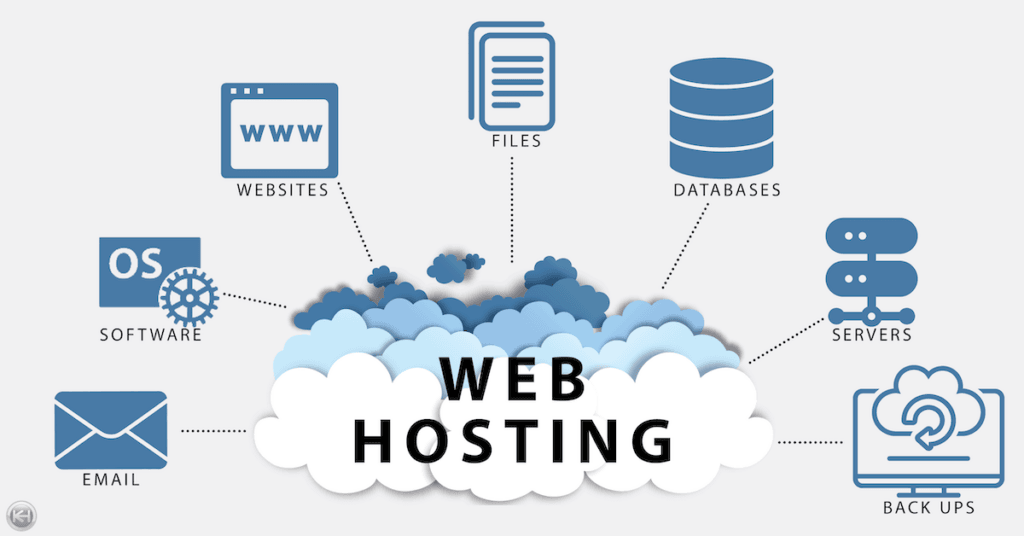
Finding the best web hosting australia small businesses can actually rely on is less about chasing the cheapest plan and more about matching the right type of hosting to how your site is used. The wrong choice shows up as slow pages, surprise downtime and support tickets that go nowhere. This guide walks through the main hosting types, realistic AUD price ranges, and the practical questions to ask before you hand over your card details.
Why hosting matters more than people think
Your hosting is the foundation everything else sits on. You can have a beautiful design and sharp copy, but if the server is slow or keeps falling over, none of it lands. For Australian businesses, two things matter especially: where the server physically lives, and how quickly real humans respond when something breaks.
Server location affects latency — the time it takes for data to travel between the server and your visitor. A site hosted in a Sydney or Melbourne data centre will feel noticeably snappier for local customers than one served from the other side of the world. If most of your audience is in Australia, local hosting is usually the smarter call. Speed also feeds directly into search rankings and conversions; we cover the targets in How Fast Should a Website Load?.
The main types of web hosting
There's no single "best" option — only the best fit for your traffic, budget and technical comfort. Here are the four categories most Australian businesses choose between.
Shared hosting
Shared hosting puts your website on a server alongside many others, all sharing the same resources. It's the cheapest way to get online and perfectly fine for brochure sites, new businesses and low-traffic blogs. The trade-off is that a busy neighbour on the same server can slow you down, and you have limited control over the environment.
VPS hosting
A Virtual Private Server (VPS) still shares a physical machine, but you get a guaranteed, ring-fenced slice of resources. It's a strong middle ground for growing sites that have outgrown shared hosting but don't need a full dedicated server. You usually get more control, better consistency and room to scale — though it often expects a bit more technical know-how, or a partner to manage it for you.
Managed WordPress hosting
If your site runs on WordPress, managed WordPress hosting is purpose-built for it. The host handles updates, caching, security hardening and backups so you don't have to. You pay a premium over plain shared hosting, but for many small businesses the time saved and the reduced risk are well worth it. Pair it with a sensible routine like our WordPress Maintenance Checklist and you've got a low-stress setup.
Cloud hosting
Cloud hosting spreads your site across a network of servers rather than relying on one machine. It scales smoothly with traffic spikes and tends to be very resilient, since there's no single point of failure. It's ideal for e-commerce, apps and any site where downtime genuinely costs money. Pricing can be usage-based, which is flexible but harder to predict if you're not watching it.
Comparing your options at a glance
The table below gives a rough sense of where each type sits. Treat the prices as typical AUD ranges for the Australian market — actual costs vary by provider, contract length and whether GST is included.
| Hosting type | Best for | Typical AUD price range (per month) |
|---|---|---|
| Shared | New sites, brochure sites, small blogs | $5 – $25 |
| Managed WordPress | WordPress sites wanting hands-off upkeep | $20 – $80 |
| VPS | Growing sites needing more control | $30 – $150 |
| Cloud | E-commerce, apps, high or spiky traffic | $40 – $300+ |
A quick note on GST: many Australian hosts quote prices inclusive of GST, while some global providers quote in USD and exclude it. Always confirm what you're actually paying once tax and currency conversion are factored in.
How to choose the best web hosting australia businesses can rely on
Matching a plan to your needs comes down to a handful of honest questions. Work through these before you commit.
- Traffic. How many visitors do you realistically get now, and where do you expect to be in a year? Shared hosting suits modest traffic; cloud handles spikes without breaking a sweat.
- Budget. Be clear on your monthly ceiling, and remember that introductory prices often jump at renewal. Read the renewal rate, not just the sign-up offer.
- Performance. Look for local AU data centres, SSD or NVMe storage, and built-in caching. These are the levers that make pages feel fast.
- Support. Test it before you buy. Is there 24/7 help? Australian-hours phone or chat? A studio you can actually reach? Good support is worth paying for.
- Server location. For a mostly-Australian audience, a Sydney or Melbourne data centre cuts latency and just feels better to use.
- Security. Free SSL certificates, firewalls, malware scanning and DDoS protection should be standard. Our Website Security Guide explains what to insist on.
- Backups. Confirm automatic daily backups with easy one-click restore. The day you need a backup, you'll be very glad it exists.
- Scalability. Can you upgrade without migrating to a whole new provider? Headroom to grow saves a painful move later.
Don't overlook the boring stuff
The features that don't make the marketing headlines are often the ones that matter most day to day:
- Uptime commitments — most reputable hosts target around 99.9% or better; anything notably lower is a red flag.
- Migration help — many providers will move an existing site over for free, which saves a lot of stress.
- Control panel — a clear dashboard (cPanel or a tidy custom panel) makes everyday tasks far less painful.
- Email — decide whether you want email bundled with hosting or handled separately by a dedicated provider for better reliability.
- .com.au domains — if you want a local domain, check the host supports it and understand the eligibility rules for registering one.
A simple way to decide
If you're a new or small business with a straightforward site, start with quality shared or managed WordPress hosting on an Australian server. If you're running a store or expecting real growth, lean towards VPS or cloud from the outset so you're not forced into a migration mid-stride. And if you'd rather not think about any of it, a managed arrangement — where someone else owns the updates, monitoring and backups — is often the best value once you factor in your own time. Hosting is also only one line in the bigger picture; see How Much Does a Website Cost in Australia? for how it fits alongside design and build costs.
Frequently Asked Questions
Does my web host really need to be in Australia?
If most of your visitors are Australian, yes — it's worth prioritising. A local data centre in Sydney or Melbourne reduces latency, which means faster page loads and a better experience for your customers. If your audience is genuinely global, a content delivery network (CDN) can help close the gap regardless of where the main server sits.
How much should I expect to pay for the best web hosting australia has to offer?
For a small business site, somewhere between $20 and $80 a month covers most quality managed options. Plain shared hosting can be cheaper, while cloud and VPS climb higher as your needs grow. The goal isn't the lowest price — it's the best value for the reliability, speed and support you actually need.
What's the difference between cheap shared hosting and managed hosting?
Cheap shared hosting gives you space on a server and largely leaves the upkeep to you. Managed hosting includes updates, security, caching and backups handled on your behalf. You pay more, but you save time and reduce the risk of something going wrong unnoticed — which is why many busy owners find managed hosting the better deal overall.
Can I switch hosts later if I choose wrong?
Yes. Migrating between hosts is common and many providers will handle the move for you, often at no cost. That said, picking well from the start saves the hassle, so it's worth a little extra thought up front rather than rushing the decision.
Talk it through with us
Still not sure which option fits your business? That's completely normal — hosting choices have a lot of moving parts, and the "right" answer depends on your goals. At Pixel and Pine we help Australian businesses choose, set up and look after hosting that's fast, secure and built to grow with you. Get in touch and we'll point you in the right direction, no jargon and no pressure.