Choosing the best website platform for small business is one of those decisions that feels enormous up front and then quietly shapes everything you do online for years. The good news is there's no single right answer — only the right fit for your goals, budget and appetite for hands-on management. This guide walks through the main options in plain English so you can pick with confidence rather than guesswork.
Why the platform you choose actually matters
Your website platform is the foundation everything else sits on: your design, your content, your online store, your search rankings and your day-to-day admin. Pick well and the site grows with you. Pick poorly and you'll feel the friction every time you try to add a page, update a price or chase better Google results.
For most Australian small businesses, the decision comes down to a handful of trade-offs:
- Budget — both the upfront build and the ongoing monthly costs in AUD.
- Ease of use — can you (or a staff member) update it without calling a developer?
- Ecommerce needs — are you selling products, services, bookings, or nothing at all?
- SEO — how well the platform supports being found on Google.
- Scalability — will it cope as your traffic and product range grow?
- Ownership and control — do you truly own the site, or are you renting space on someone else's system?
- Maintenance — who keeps it secure, updated and backed up?
No platform wins on all seven. The trick is knowing which of these matter most for your business.
The main contenders for the best website platform for small business
Let's look at the four broad options Australian owners realistically choose between in 2026.
WordPress (with WooCommerce for stores)
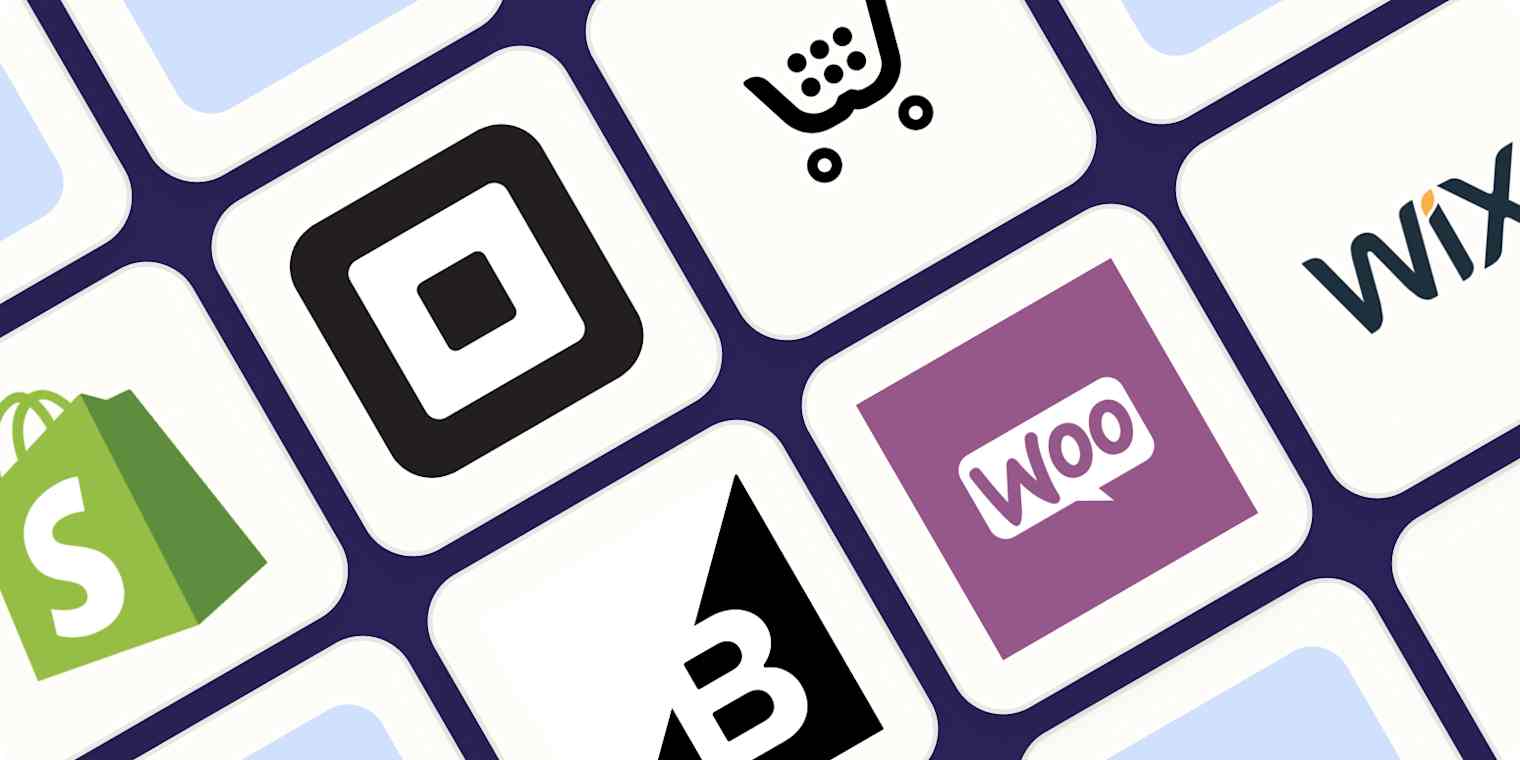
WordPress powers a huge share of the web, and for good reason. It's open-source, endlessly flexible, and you genuinely own your site — you can host it wherever you like and move it whenever you want. Add WooCommerce and it becomes a capable online store.
The trade-off is responsibility. WordPress needs hosting, updates, security hardening and the occasional plugin conflict sorted out. It rewards businesses that either enjoy tinkering or are happy to pay someone to maintain it. If you go this route, your choice of host matters a lot — see our guide to the best web hosting in Australia.
- Best for: content-heavy sites, blogs, businesses wanting full control and flexibility.
- Watch out for: maintenance overhead and the temptation to over-install plugins.
Shopify
If selling products online is the heart of your business, Shopify is purpose-built for it. It handles payments, inventory, shipping and checkout beautifully out of the box, and it scales smoothly from your first sale to thousands. The monthly fee in AUD covers hosting, security and updates, so there's very little technical upkeep.
The flip side: it's a subscription you'll always pay, you're working within Shopify's ecosystem, and content-marketing features (like blogging) are functional rather than brilliant. For a deeper head-to-head, read Shopify vs WordPress.
- Best for: product-based ecommerce, dropshipping, growing retail brands.
- Watch out for: transaction fees if you don't use Shopify Payments, and app costs adding up.
Squarespace and Wix
These all-in-one builders are the friendliest entry point. Design, hosting and a drag-and-drop editor come bundled, so a non-technical owner can launch a polished site in a weekend. They're ideal for service businesses, portfolios, cafes and consultants who need a professional presence without complexity.
The limits show up later. You're locked into their templates and feature set, advanced SEO controls are thinner, and migrating away is awkward because you don't own the underlying code.
- Best for: simple, attractive sites for solo operators and small service businesses.
- Watch out for: hitting a ceiling as your needs grow more specific.
A custom-built website
A custom build is exactly what it sounds like: a site designed and developed specifically for your business, with no template constraints. You get precisely the features, design and performance you want, full ownership, and a foundation built to scale. This is the kind of work we do at Pixel and Pine.
It costs more upfront and isn't necessary for everyone. But when your business has unusual requirements, needs deep integrations (like a CRM or booking system), or your website is the product, custom pays for itself. For a realistic picture of pricing, see how much a website costs in Australia.
- Best for: established businesses, complex needs, performance-critical or integration-heavy sites.
- Watch out for: choosing it before you actually need it.
Platform comparison by use-case
Here's a quick side-by-side to match each platform to the way you'll actually use it. Costs are typical, approximate AUD ranges and will vary by plan, add-ons and whether you hire help.
| Platform | Best use-case | Typical monthly cost (AUD) | Ease of use | Ownership | Ecommerce |
|---|---|---|---|---|---|
| WordPress + WooCommerce | Content + flexible stores | $15–$60 (hosting) | Moderate | Full | Strong with setup |
| Shopify | Product ecommerce | $40–$150+ | High | Limited | Excellent |
| Squarespace / Wix | Simple service sites | $25–$70 | Very high | Limited | Basic to good |
| Custom build | Complex / scaling needs | Varies (hosting only) | Depends on build | Full | Tailored |
A few things to read into this table:
- "Cheap" monthly cost can hide the real cost. A low hosting bill on WordPress still assumes someone manages it. Shopify's higher fee buys you that management.
- Ownership and ease of use pull in opposite directions. The easiest platforms give you the least control, and vice versa.
- Ecommerce capability scales with effort. WooCommerce can match Shopify, but it takes more setup to get there.
How to choose: a simple decision path
Run yourself through these questions in order and the answer usually reveals itself:
- Do you sell physical products as your main business? If yes, start with Shopify (or WooCommerce if you want more control).
- Is your site mostly information, brochure-style, or a portfolio? Squarespace or Wix will likely do the job fast and affordably.
- Do you publish lots of content or need it found on Google? WordPress gives you the strongest SEO and content foundation.
- Do you have specific integrations, custom workflows, or plans to scale hard? A custom build is worth the investment.
- Not sure yet and want room to grow? WordPress is the safest flexible middle ground.
Remember that the platform is only half the equation. Whichever you choose, you still need to drive traffic to it — and that's a separate decision between organic and paid channels, which we unpack in SEO vs Google Ads.
Common mistakes Australian owners make
- Picking on price alone. The cheapest option often costs more in lost time and rebuilds later.
- Over-building too early. A sole trader rarely needs a custom platform on day one.
- Ignoring who maintains it. Security and updates aren't optional — decide who owns that before you launch.
- Forgetting GST and local payments. Make sure your platform handles GST-inclusive pricing and Australian payment gateways cleanly.
- Chasing trends. The right platform for your neighbour's business may be wrong for yours.
Frequently Asked Questions
What is the best website platform for small business in Australia?
There isn't one universal winner — the best website platform for small business depends on what you're trying to do. Product sellers usually lean Shopify, content-led and flexible businesses lean WordPress, simple service sites do well on Squarespace or Wix, and businesses with complex needs benefit from a custom build. Match the platform to your goals rather than the other way around.
Is WordPress or Shopify better for a small online store?
If selling is your core activity and you want minimal technical fuss, Shopify is hard to beat. If you want more control, lower ongoing fees, and you're comfortable with (or willing to pay for) maintenance, WooCommerce on WordPress is excellent. Our Shopify vs WordPress comparison goes deeper on the trade-offs.
How much should a small business spend on a website platform?
Expect anywhere from around $25–$150 AUD a month for a hosted builder or Shopify, plus your build cost. Custom sites cost more upfront but only carry hosting fees afterwards. For realistic figures, see how much a website costs in Australia.
Can I move my website to a different platform later?
Yes, but how painful it is depends on your starting point. WordPress and custom sites are the most portable because you own the code and content. Hosted builders like Wix make migration harder, so it's worth choosing carefully if you expect to grow.
Let's find the right fit for your business
The best website platform for small business is the one that matches where you're headed, not just where you are today. If you'd like a straight, no-jargon recommendation based on your goals and budget, the team at Pixel and Pine is happy to talk it through. Get in touch and we'll help you choose — and build — something that works for years, not months.